


(Reflections from the Monsoon in Himachal)
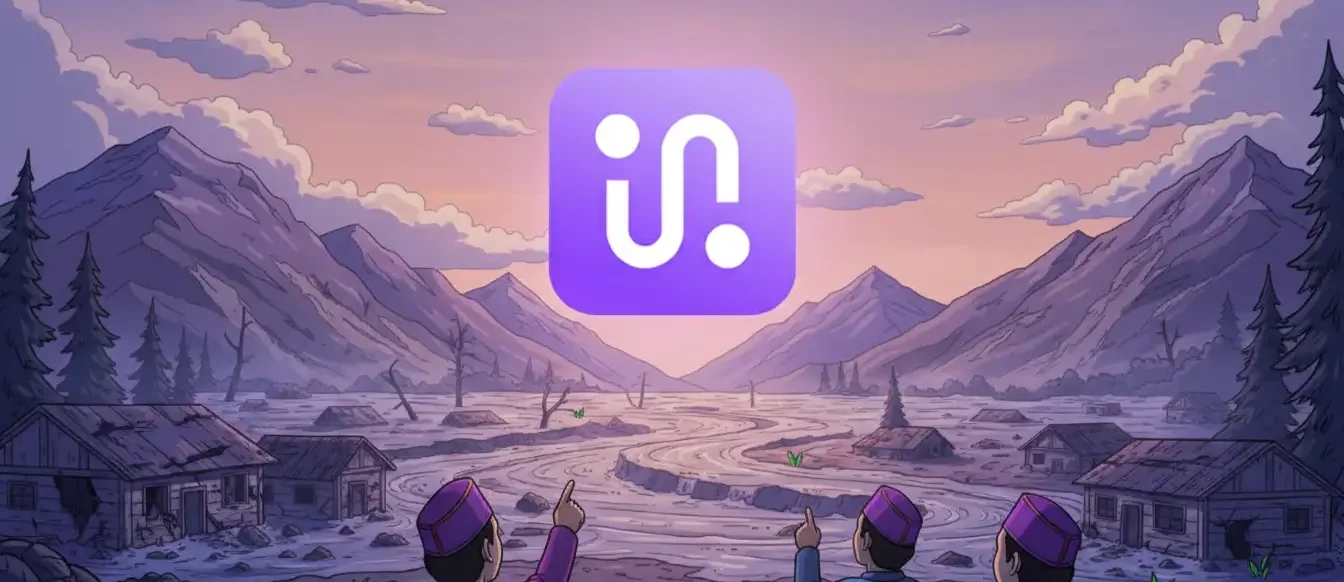
The last few weeks in Himachal have been brutal. The monsoon hasn’t just poured, it has punished. Roads washed away, houses submerged, whole valleys cut off from the rest of the world. The death toll has crossed 400, and the silence that follows each new landslide or flood warning feels heavier than the rain itself.
It’s hard not to think of it as nature’s own reset button, undoing decades of over-construction, unchecked highways, and a kind of commercialisation that mountain life was never built to carry.
And yet, amidst this chaos, people still need to move.
The Unstoppable Human Need to Reach Somewhere
Running Clixi for just over two months, I’ve seen this need unfold in ways I never imagined. On the heaviest rainfall days, when no one would even answer your calls and the highways looked like rivers, we saw a spike in bookings.
It felt surreal!
People found the app, downloaded it, and requested trips to villages, towns, and sometimes just a few kilometres further up the road. Because mobility doesn’t stop. Life doesn’t wait for the rains to recede.
To reach home.
To keep a promise.
To take care of an emergency.
And what really shook me: nearly 12% of all Clixi rides last month were to hospitals. Patients rushing with loved ones. Doctors who were desperate to reach their duties despite landslides.
That statistic is not just a number; it’s a mirror. It shows us the fragility of our systems and the strength of people who refuse to give up.
A Small Purple Icon of Hope
When no one picks up your calls, when the rains make you feel stuck, when the roads disappear, there’s still this one tiny purple icon on your phone. Tap it, and you have a shot at reaching where you need to go.
That’s what makes me proud. Not the downloads, not the graphs, not the startup thrill—but this: the fact that Clixi gave people 1% more hope when everything else seemed impossible.
When I started Clixi, I believed suburban India deserved better mobility. What I didn’t realise is that we’d end up playing a role in something bigger: Taming impossibilities in everyday lives.
It makes me reflect on why we build businesses in the first place. It’s not just about growth charts or scaling models. Sometimes, it’s about the quiet dignity of helping someone reach their mother in a hospital bed. Or a doctor reaching their patients. Or a father getting home to his children, even in the middle of a storm.
That’s what keeps me going. And that’s what I want Clixi to stand for.
Yes, it’s tough to build in these mountains. The terrain is harsh, the weather harsher. But what we’ve seen in Himachal this monsoon is a lesson for every suburban town in India: mobility is not a luxury, it’s survival.
And if a small purple icon on your phone can carry you through that survival, then it’s worth building, brick by brick, ride by ride, hope by hope.
💜 Clixi isn’t just about getting from Point A to Point B. It’s about proving that no storm, no flood, no landslide can stop the human spirit from moving forward.